From the Rev. Dr. Dennis S. Tierney, Property Manager, Diocese of Olympia
January 2022

The Diocese of Olympia is pleased to announce a new program for leaders of all congregations in the diocese that will provide advice and information about property management issues of importance and interest. These occasional papers will be based on actual experiences of congregations in the diocese and will provide advice and best practices for the buildings and grounds of our respective congregations.

Background

In the Old Testament, David and his successor, Solomon, decide to build a temple to house the Ark of the Covenant. Prior to this time, the Ark was portable and accompanied the Israelites in their years in the Sinai and then during the early decades of their time in the Holy Land. No expense was spared in the building of this temple. Years of construction ensued. And the grand day finally came when the Ark was installed in the “Holy of Holies” and the life of the temple began. What Holy Scripture leaves out of this exceptional story is the sour comments from more than one resident of Jerusalem who wondered who was going to pay for the upkeep and repairs of this grand edifice. Because fancy stonework, expensive wood trims, gold leaf, fancy vestments, and expansive courtyards all cost far more than a simple tent. Every building begins to decay the moment the building is complete. Some things have not changed in two thousand years. If you build it, it will decay.

Every congregation in our diocese has or should have a building committee or someone charged with worrying about the building. Every congregation has or should have a budget for maintenance and repairs. Every congregation has or should have plans for replacing major systems in their time and a plan for how the congregation will pay for those replacements. But not all congregations have the necessary expertise among their membership. Sometimes, people must learn “on the job.” This is where the diocese can help.

These “occasional papers” will try to address common dilemmas and problems that our congregations face as our buildings age. If anyone has topics they would like covered in these occasional papers, please contact the Property Manager, the Rev. Dr. Dennis S. Tierney. He can be reached via email at dtierney@ecww.org.

From the Rev. Dr. Dennis S. Tierney, Diocesan Property Manager:

Photo by Tanya Paquet on Unsplash

Some of you may know that the insurance premiums went up in 2023. Part of the reason for the increase from Church Insurance is that several of our congregations made large claims last year which influenced all our rates. Most of the large claims were because of water damage to buildings and furnishings. Some of the water damage came from broken pipes, or leaking water heaters, or blocked gutters and downspouts. These sorts of damages are remarkably expensive to remediate and can cause the loss of buildings for long periods of time or the complete loss of a building. The title of this paper is a nod to Barbra Streisand’s hit song of the 1970’s in which she sings that no one is going to rain on her parade. Would that we all could sing away the rains of our lives. But it is not so. Rains do ruin parades and buildings but rain brings life to the earth. This paper is about the dangers of water when it goes where it is not wanted. When that happens, buildings are damaged, programs disrupted, and unplanned expenses are incurred. And water damage always seems to occur at the worst possible moment in the life of a church – Christmas Eve, Easter morning, or an hour before a major funeral. Ask me how I know.

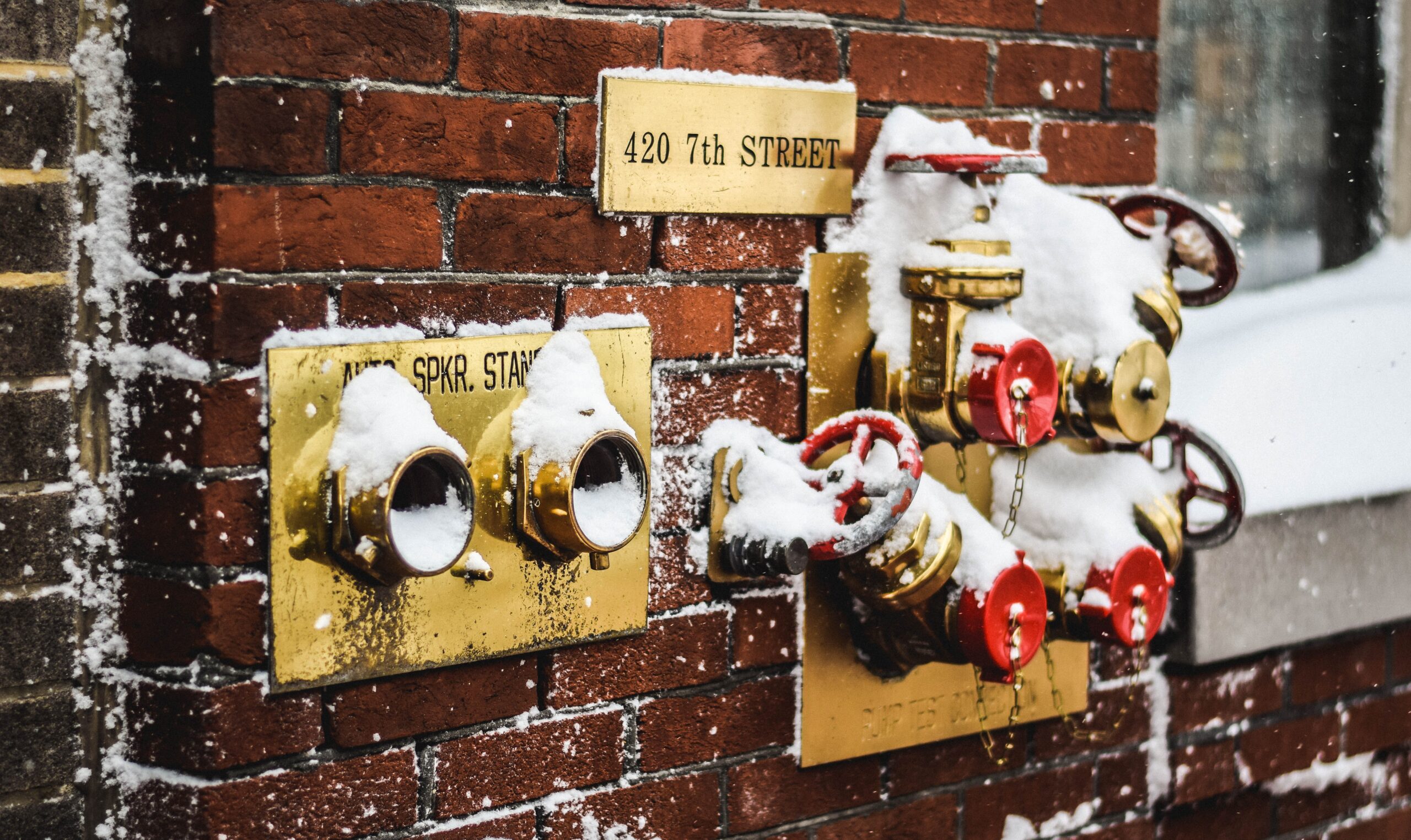
Water damage can come from broken pipes, leaks in fittings or faucets, or failed sprinkler systems inside a building. Water damage can also occur when gutters and downspouts fail or are blocked. Water damage can adversely impact carpets, flooring, interior paint, furniture, musical instruments, electrical and computer systems, and church furnishings like robes and vestments. Un-addressed small water damage can create mold and mildew and make a building uninhabitable unless major repairs and renovations are done.

Photo by Matt Popovich on Unsplash

What can church leaders do to prevent such expensive problems?

  1. Walk the buildings, inside and out, once a week and check for evidence of leaks of any kind. All toilets should be flushed to check for proper operation and checked to ensure that all the seals and fittings are functioning. Similarly, faucets should be turned on and off to ensure they are operating properly. Outside, irrigation systems should be checked for leaks. In winter, all irrigation systems should be shut off and drained of water. In freezing weather, all outside faucets should be shut off or protected from freezing. You may also want to check inside faucets if they are in areas that are not heated adequately. In very freezing weather, leaving the water to trickle out of a problematic faucet can save you from broken pipes. In enclosed areas, consider leaving a light on during freezing weather to keep pipes from freezing and breaking.
  2. Know where all your water shut-off valves are located and know how they work. There will be a main water valve from the street or well. There may be sectional water cut-offs inside your buildings. There may be shut-off valves on toilets, dishwashers, and other appliances with water connections. Map them and check them to be sure they work. Teach your building and grounds people about them.
  3. Consider purchasing water leak detectors for kitchens and water heaters. They can be slaved to a smart phone so that you can get alerts if there is water where it should not be at any time. Some devices can also shut off water to the affected area when a leak is detected. One could also purchase a water monitor and place it on the main water connection into your building so that any water movement will be noticed. This can be extremely helpful during the pandemic when fewer people are using your building(s). Such devices are available for less than $100 and do not require professional installation.
  4. Water basins can be installed under water heaters or washing machines or dishwashers, especially if these devices are on the second or higher floors. Since water runs to the lowest level, if you have leaks upstairs, the water will run down and flood other areas. Such devices take no power to operate and are silent. They can overflow so having a means of notifying someone of a leak makes good sense as well.
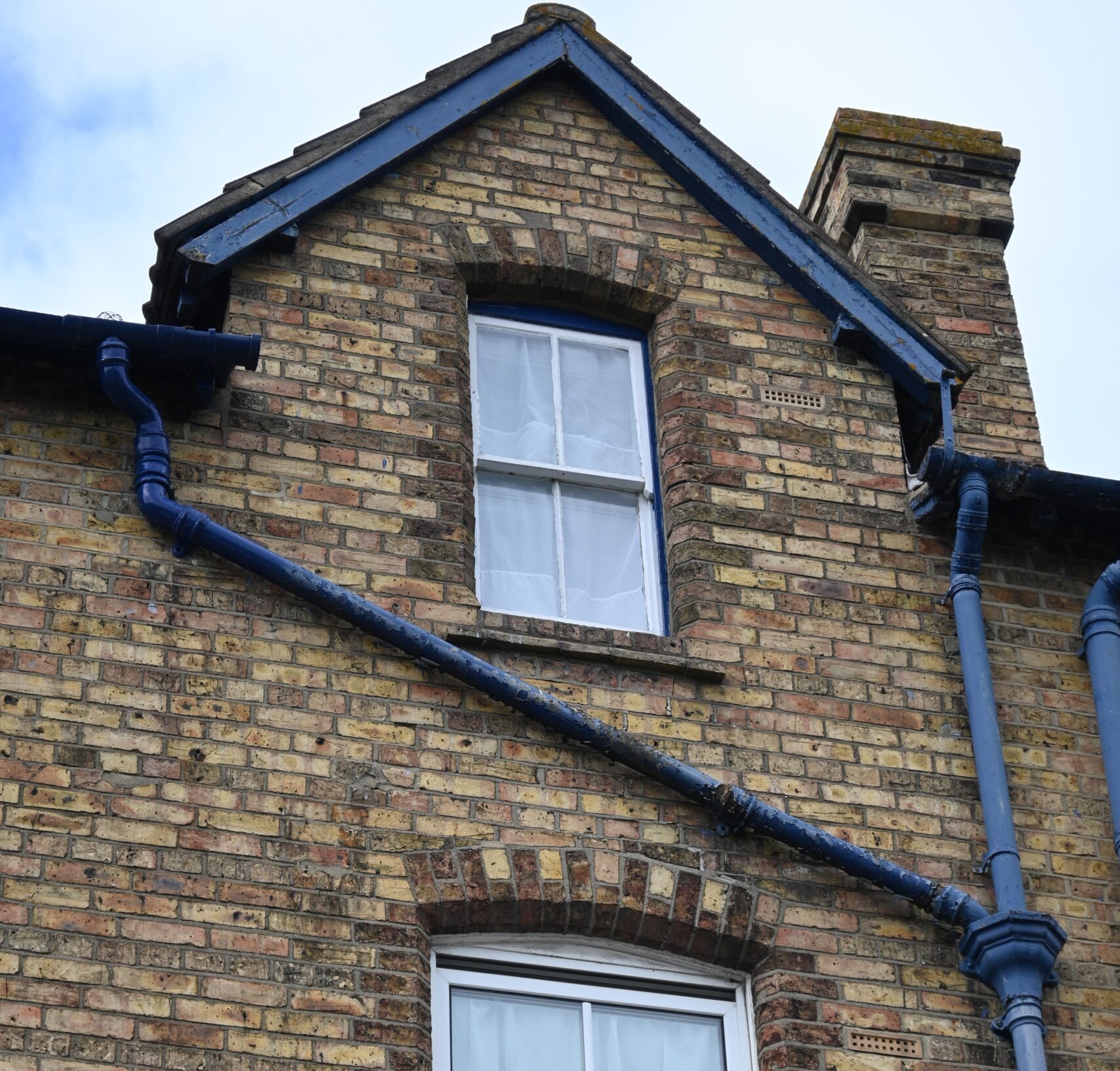
  5. Ensure that all gutters and downspouts are clear and working properly. It rains in the Pacific Northwest and gutters and downspouts are critical to have water stay where it belongs. Cleaning them is necessary at least annually, and, depending on the foliage on your property, cleaning them two or three times a year may be necessary. If your buildings have flat or membrane roofs, making sure that the water moves off the roof is extremely important. Keep water from pooling on your roof; you will be glad you did. And do not forget to move the water away from your building foundation by ensuring that all downspouts direct the water away from the building.

From The Rev. Dr. Dennis S. Tierney, Diocesan Property Manager:

Photo by Scott Graham on Unsplash

The phrase “Maybe later” was coined by the nicest and kindest member of a tour my wife and I took to China shortly after I retired. It was her way of putting off vendors importuning her to buy their wares without offending them. It never worked, of course, as they failed to get the indirect refusal embedded in her polite speech. That phrase became a “code phrase” during the rest of our trip as a polite way of saying, “Well, that won’t happen ever.”

I use that phrase to capture the challenge and the dilemma that churches always face in providing sufficient attention and funds to maintain their physical facilities over time. For many congregations, especially those facing difficult times economically, when it comes to putting money aside for maintenance or future replacement of capital facilities, the answer is, “Maybe later.” This can work for a period of time until another popular culture phrase is invoked, taken from the Fram Oil Filter ads, “You can pay me now or pay me later.” The implication of that ad is that failure to pay a reasonable amount now in maintenance costs can result in large payments later for major repairs or complete replacements.

What follows will be a series of papers that are practical guides for clergy, vestries, or bishop’s committees to use in considering their obligations and plans for maintenance of their buildings and other facilities. This series is not intended to be an exhaustive guide. It recognizes that all congregations are different and will have different issues to confront in building a plan for maintaining their facilities for the future.

Photo by Annie Spratt on Unsplash

The first reality is that all physical structures, all equipment, indeed, all objects, once created, begin to deteriorate to the point of eventual failure. That is also true for human beings. Some do so quickly while others can take years if not decades but fail they will. However, proper and regular maintenance can forestall that eventual failure and ensure dependable service until the item reaches the end of its useful life. In our modern world, some obsolescence appears to be engineered into the item while in other cases, the materials used in the making of the object wear out and fail regardless of maintenance.

A second reality, important to churches, is who pays when a major item or structure fails. Without any maintenance or replacement funds set aside by a congregation, the individuals attending the church when the failure occurs will bear the cost of its repair or replacement. This puts far more of the burden and cost on them rather than on the people who passed budgets in years previous with no thought to maintenance and replacement.

A third reality is that when churches face difficult economic decisions, “kicking the can down the road” is all too often the common response. Many churches avoid making hard decisions by delaying for another year or for some rosier future – “maybe later.” It is also the case that salaries must be paid, utilities must be paid, current dilemmas demand attention, while future problems are pushed down the list of things be to funded, and, all too often, never get funded.

Finally, some congregations engage in “faith-based budgets” which combine prayer and hope with “maybe later.” Sometimes, this works; sometimes not. A surprise gift, a timely end-of-life bequest might happen but it can be exhausting for congregation leaders to depend on such outcomes.

The Board of Directors urges all congregations to devote some time and talent and treasure to thinking through the necessary research and policy development to inform stewardship groups and the entire congregation of what it will take to keep doing ministry in their location. The Board suggests a retreat devoted to this work to prepare a plan if one does not currently exist and to making said plan part of the annual goals of a congregation. This is on-going work just as congregational development is on-going work.

Photo by Towfiqu barbhuiya on Unsplash

To support this work, the Board of Directors helped every mission congregation do a professional building inspection during 2018-2019. Those inspections provided each congregation and the diocese with a clear picture of the deferred maintenance issues across our missions. The overall picture was better than some feared. There were expensive items for some congregations but much of the work was still minor in cost but important to the safety and comfort of the congregations. Moreover, the Board maintains a fund to assist mission congregations with repairs that their budgets cannot afford. These are grants, not loans.

Parishes are expected to be financially able to maintain their structures, but the diocese does have annual funds to assist parishes when they face building emergencies. Larger repair projects can qualify for loan funds from the diocese, but these must be repaid, generally in less than ten years.

February’s paper will focus on practical steps to building a maintenance plan for congregations. March’s paper will focus on recommended actions for those adopted and funded maintenance plans.

This is rarely seen as glamorous work. Few clergy studied building maintenance in seminary. It is not often noted in the Gospels that someone had to provide housing, food, and resources for Jesus and the apostles. We lean toward being Mary, not Martha. But without a Martha, Mary, and Jesus, might well have gone hungry. To welcome the stranger and provide for the needy, churches need to be safe, dependable “third” places for the world. When we are called to follow Jesus, we should never answer, “Maybe later.”

From The Rev. Dr. Dennis S. Tierney, Diocesan Property Manager:

Photo by Wesley Tingey on Unsplash

In the 1960 musical comedy, The Fantasticks, the opening song is entitled, “Try to Remember.” It is a song about nostalgia and remembering. It was made famous by the Brothers Four and other popular singers. The third verse says this:

“Deep in December, it’s nice to remember the fire of September that made us mellow,
Deep in December our hearts should remember and follow, follow, follow.”

As we move into December, this song came to my mind but in the service of encouraging all congregations to create and maintain institutional memory both to honor those who have gone before us but also to help those who will come after us. Caring about the history of one’s congregation, retaining its organizational decisions and memories matters far more than mere nostalgia. Remembering is essential for all organizations to prevent the recurrence of poor decisions and to build on the hard and good work done by others.

It is critical to create and maintain accurate records of decisions made by bishop’s committees and vestries. It is essential to maintain church records about baptisms, marriages, and burials. It is enormously helpful to maintain blueprints and building plans. It is important to maintain records of when appliances were purchased and the manuals that came with them. Calculating future maintenance costs depends on accurate records of when maintenance was done and what was repaired or replaced. Buildings have biographies and need to be updated so that newcomers know what the old-timers know.

Photo by Maksym Kaharlytskyi on Unsplash

It is remarkable how fragile church memories, and their records, can be. Without a commitment to maintain archives, churches quickly can lose their memories and end up in a Groundhog Day loop, endlessly repeating the same errors. Some of the problem comes when vital information is retained by members of the church leadership but on personal computers or personal files kept off-site. When that person leaves a leadership position, the information ends up in a file in a garage or in the local landfill. It is then lost to the congregation. Some portion of the problem is that the congregation does not have a uniform filing system for its critical records. As clergy come and go, as parish administrators come and go, filing systems get abandoned or re-started again and again. And when that happens, vital information is lost.

The rise of computers and smartphones means that fewer paper records exist. When congregations do not have policies about electronic records, vital information is lost because the information exists outside the congregation, residing on personal computers, smartphones, and other electronic devices. When congregations have legal challenges, being able to track down critical information is essential to prevailing in a dispute. The cost of not having accurate information can be very high.

Happily, the diocese has an archivist to advise congregations about their record-keeping practices. Many of you knew Diane Wells, who served the diocese for many years in that role. Now we have Erik Bauer ably filling that role. I can tell you that both these talented and dedicated individuals have saved the diocese and many congregations a great deal of grief and money by being able to produce critical documents.

Photo by Mr Cup / Fabien Barral on Unsplash

So, I urge all congregations to start 2023 with a commitment to remember, to keep a clear and accurate record of the work being done to build up the kingdom. Leave your campsite better than it was when you found it by ensuring that your mistakes won’t be repeated by others.

To help, here is a list – not exhaustive but merely representative of the sorts of records I mean:

  1. All titles and deeds to property
  2. Any survey data on the property owned – clear evidence of boundaries and easements
  3. Insurance documents
  4. Church records as required by Canon law
  5. All use agreements with renters or other users of church property
  6. Blueprints and other architectural and building plans
  7. Maintenance records for all buildings and their systems – HVAC, etc.
  8. Records of purchases of computers, phones, AV equipment, and the expected replacement dates for these systems
  9. Records of major purchases of other equipment or furniture and expected replacement dates, especially roofs, gutters, driveways, sidewalks, and outdoor lighting
  10. Records of donated items – their history and importance to the congregation
  11. Burial records if the congregation has a burial area
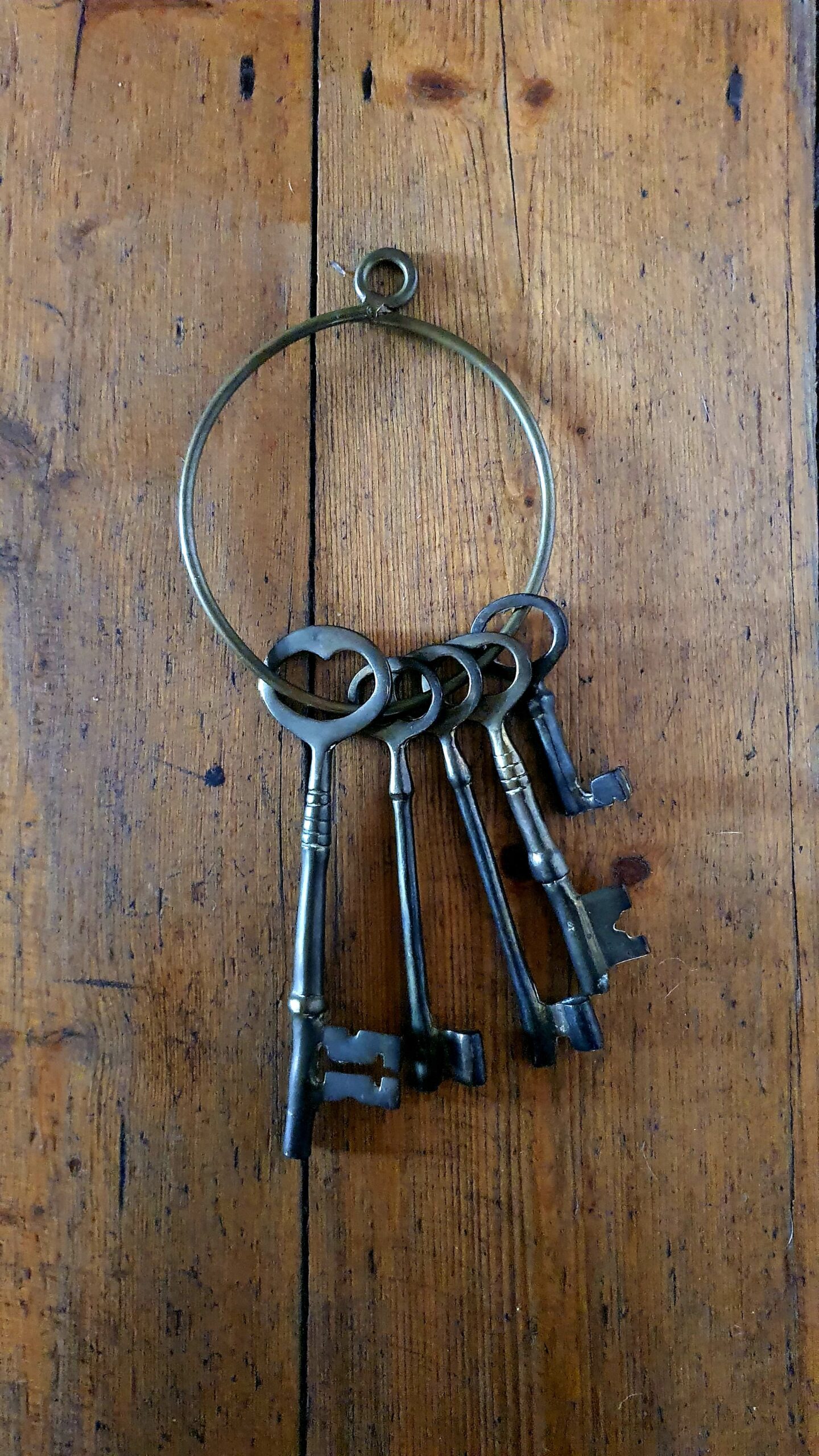
  12. List of who has keys to the buildings
  13. List of contacts in cases of emergencies
  14. Location of all these records, preferably in fire-safe storage
  15. Off-site location of critical duplicated electronic records with regular updating

This Christmas, give your congregation the gift of self-knowledge by helping to create, maintain, and improve your congregational records. Keep the fire of September alive as we follow, follow, follow our Lord and Saviour, Jesus Christ.

“Monetizing Church Property: Some Guiding Principles”

Occasional Paper on Property Management in the Diocese of Olympia Series 

The Rev. Dr. Dennis S. Tierney

Property Manager

Monetizing church property seems to be a “hot idea” these days as congregations seek to off-set rising costs and flat or declining pledge bases.  Mostly, the idea revolves around using the land that churches own in different ways to create an income stream for the congregation.  While care must be taken to avoid loss of the property-tax exemption granted to churches, there are methods available for congregations to create significant income streams to support church activities. But such projects are not for the faint-of-heart.  They require significant time commitments, pre-development expenses, and organizational skills.  The pitfalls are great; no congregation should consider trying this approach without careful discernment.  What follows are ten recommendations.  They are not commandments, but they are distilled thinking based on the experiences of other congregations that are doing this work to support their ministries.

  1. To Thine Own Self be True – one key truth is that any project of this size and complexity must reflect the deep values and beliefs of the whole congregation – not just the leadership or clergy or current Vestry/Bishop’s Committee. Getting a whole congregation to that truth about itself is not easy and takes time and risk.  But it is the foundation on which all else is built.  This step cannot be skipped or slighted.
  2. It is a Marathon, not a Sprint – a second key truth is that projects of this scope and complexity take years to accomplish. Having key leaders stay the full course, having patience in the face of adversity and setbacks, having a deep enough bench to weather departures and losses of people over time, are key requirements to make this sort of project happen. Most projects take more than five years to initiate, and some can take a decade.
  3. You Need Help from your Friends – no project can be done solely inside a congregation. And any project that changes the property use must have allies outside the congregation.  The immediate neighbors, the local businesspeople, the local politicians, the local media, all can be friends, or they can be enemies.  You choose.
  4. Know what you know and know what you don’t know – No congregation has the expertise to do major projects. You must learn what expertise you need to hire and then you must choose wisely among your vendors and advisors.  You will kiss more than one frog along the way.  Do not buy a dog and then teach yourself to bark.  But always remember rule #1 – To Thine Own self be True.  This is your project not that of your advisors/experts.
  5. Early Estimates are Always Low – the cost of any project is always larger than the initial estimate. You must build in cost over-runs, inflation, change orders, and general surprises into your budget.  And then add 10% for good measure.
  6. Location Matters – if it is real estate, location matters. Not all church property was created equal.  Many churches are on land not suitable for other developments.  That is why someone donated the land to the church in the first place!
  7. All Change is Hard and Risky – proposing major changes in a congregation reveals that its members differ greatly on matters of risk-taking (think about how congregations responded to COVID). The bigger the project, the longer it takes, the more likely there will be carping and complaining.  Remember the Israelites in the Sinai.  You may lose good members along the way.  That is not trivial but may happen.
  8. Diocesan Leadership and Support Matters – in our polity, you must have the diocese in your corner to conduct any major project. Moreover, the diocese has resources and connections that can help your project.  Clear and continuous communication with diocesan leadership is critical to the outcome of your project.  And please remember that the diocese has other issues before it.  Yours is not the only issue facing the diocese.  And many of our diocesan leaders are volunteers, just like you.
  9. Some Events are Unavoidable – timing of the project cannot be fully controlled. Pandemics occur.  Health issues happen.  Wars break out.  Hurricanes and earthquakes occur.  No matter how carefully we plan; life happens.
  10. Lean on the Holy Spirit – we are players on a much grander stage. We all have small parts, but we each can be great actors.  If we lean on the Holy Spirit and walk humbly with our God, we can do much to build up the kingdom. If you want to speak with people who have experienced the joys and challenges of a major monetization of church property, contact The Rev. Canon Britt Olson and/or Ms. Barbara Wilson, Saint Luke’s Episcopal Church, Ballard/Seattle.  Their lived experiences are the basis of this article.  They are highly knowledgeable, excellent teachers, and great people to know.

Autumn Leaves: Getting Ready for Winter

Occasional Paper on Property Management Program, Diocese of Olympia
The Rev. Dr. Dennis S. Tierney, Property Manager

Image Credit: Noppawat Tom Charoensinphon / Getty Images

Some of us are old enough to remember this classic ballad, “Autumn Leaves.” Written in 1945 for a French film, by Joseph Kosma and Jacques Prevert, the words were translated into English by Johnny Mercer and many versions were offered by artists like Nat King Cole, Doris Day, and Frank Sinatra in the 1950’s. You can ask your favorite device to play it for you.

The falling leaves drift by the window
The autumn leaves of red and gold
I see your lips, the summer kisses
The sun-burned hands I used to hold
Since you went away, the days grow long
And soon, I’ll hear old winter’s song
But I miss you most of all, my darling
When autumn leaves start to fall

This is the time of the year in the Pacific Northwest when these words come true with a vengeance. While many of our trees are not deciduous (from the Latin word meaning to fall off), many are, and they lose their leaves at this time of the year. The technical term for that annual loss of leaves is abscission. And if your church property has any deciduous trees on the property, you know what abscission means. The leaves fall on and into gutters, on to roofs, on to sidewalks, and wherever you would not want plant material. When the rains come, then the leaves become slippery, mushy, and begin to clog gutters and downspouts, always at the worst possible moment. These falling leaves can be quite romantic and picturesque unless they are causing problems as noted above.

But we also have many trees here that are evergreen. In fact, Washington is the Evergreen State because of the Douglas firs and other trees that do not lose their needles in the fall. However, our evergreen trees are notorious for losing whole branches when the wind blows because the trees sway in the wind and can knock branches off the other trees as they rock back and forth. Those branches can weigh hundreds of pounds and can fall on buildings and people with immense force. In major storms, these branches can be like missiles, flung from great heights right into the roofs of buildings. Ask me how I know that.

Image Credit: Ross Hoddinott

So, wise property managers pay attention to falling leaves and the coming of fall storms that can bring down weakened branches. This is the time of year to walk the property and look for possible weakened branches that may fall onto buildings or obstruct sidewalks or roadways. This is the time of the year to ready your gutters and downspouts to prevent back-ups and clogs where possible. Spending some time or money to remove piles of leaves can prevent slips and falls but also prevents plant diseases from getting into your flower beds and bushes. While it can be beautiful to have piles of red and gold leaves decorating your property, that all comes with other risks that should be discussed.

Fall is also a time to check your irrigation systems, if you have them, for leaks and to shut them off, when the rains come, and empty the lines of water. This prevents them from freezing in the winter and causing more leaks. Wrapping outdoor faucets with insulation can also prevent them from breaking and causing major water leaks.

Checking windows to ensure that they close properly and have not started leaking through is also important. Evaluating the windowsills to ensure that they are not rotting can avoid expensive repairs later on.
Checking your HVAC system is critical now. Changing filters, especially in light of COVID, is important. Ensuring that your furnaces are ready for the demands of winter, including thermostats and other control devices should be done now.

Image Credit: Bagala Window Works

While global warming seemingly has reduced the number of freezing days, getting ready for snow and ice should be done now. All congregations should have a plan for dealing with icy or snow-covered sidewalks and parking areas.

A visual check of your roof is important now. Loose or missing shingles can cause considerable damage in a big rain and windstorm. Moss accumulation reduces the life of your roof materials substantially and needs to be removed.

Ensuring the downspouts work and move all rain away from the foundations of your buildings is critical. This is the time to check that all the water moves away from the buildings and not into the buildings.


Image Credit: Irena Federova

So, as we sit by the window, with our favorite beverage, and reminisce about the joys of summer, when autumn leaves begin to fall, it is time for wise property people to get busy because, as they said in “Game of Thrones,” winter is coming.

Dennis+

Carl Barks was one of the earliest and most productive of the cartoon artists who worked for Walt Disney. He was known as the “Good Duck Artist” for his renderings of McScrooge Duck and many of the other “bird” characters shown in Disney cartoons. He lived to be 99 years of age and only became well known for his cartoon work late in life. He coined the phrase, “work smarter, not harder.” That phrase has become a meme and has caused the invention of entire cottage industries devoted to helping everyone work smarter, not harder. Churches are no exception to the desire and need to work smarter rather than harder.

Photo by Photoholgic on Unsplash

Churches survive because of volunteers and their labors. Overworking volunteers is a bad idea but often churches end up depending on a few people to work hard. This article suggests ways that churches can work smarter, not harder.

The first observation is that church buildings are empty most of the time. Even busy active churches do not have their spaces in use throughout the week. When buildings are empty of people, no one is present to notice and act upon problems. Heating units fail but no one is present to notice. Water leaks occur but no one is present to notice. With COVID, this absence of “eyes” on the state of the buildings has grown more common. And even renters, using the building at different time from parishioners, seldom report any problems unless it is an emergency.

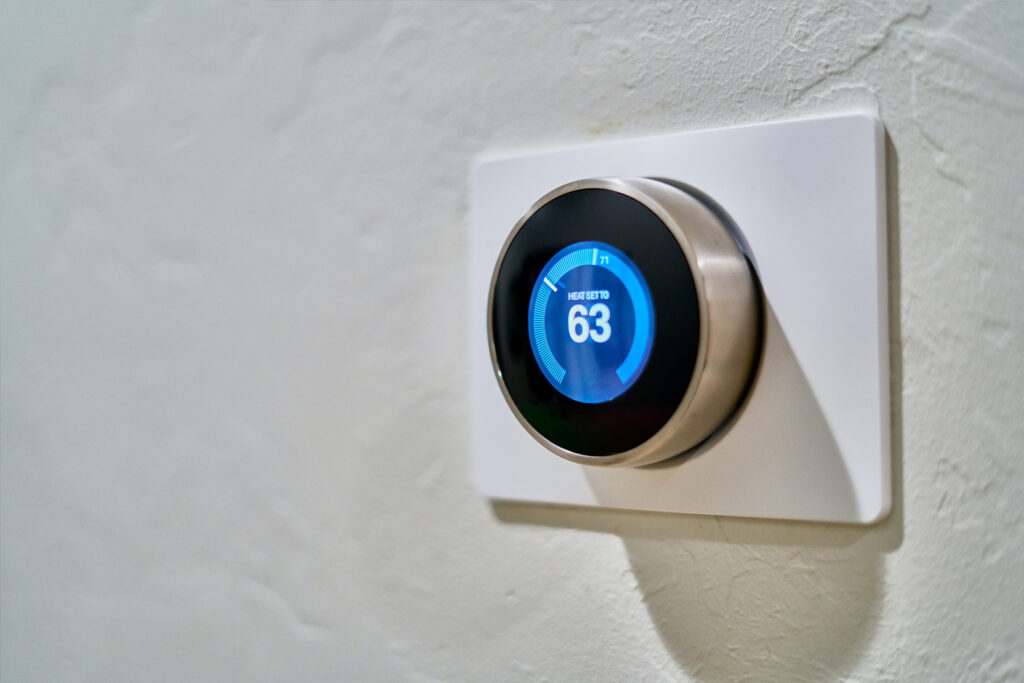
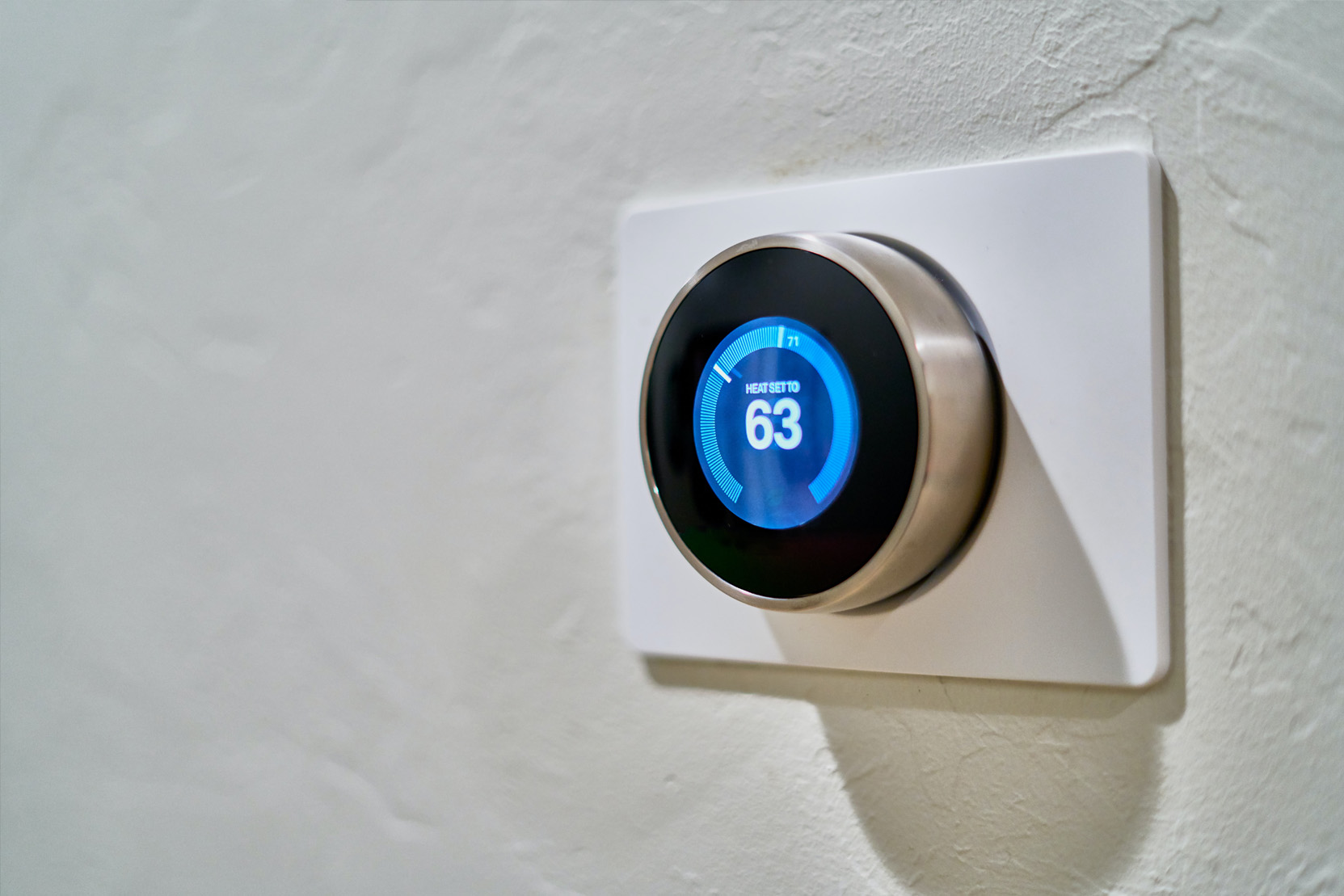
One option now available for churches is “smart technology.” Many companies produce equipment that can monitor systems, report problems, enable individuals to make changes from afar, and provide records for later evaluation. Modern HVAC systems have links to smartphones and computers and can change temperature programs to reduce energy usage. Modern lighting fixtures can be programmed to work on a schedule or via motion detection such that lights are never left on for hours simply because the last person to leave forgot to turn off the lights. Modern plumbing appliances can be fitted with leak detectors so that any water leaks are reported to a smartphone or computer. Given the astonishing damage a single water leak can do in hours, churches would be well served by such devices. Video cameras, smart doorbells, and other devices are remarkably inexpensive these days and can provide useful information and coverage. Other alarm systems can provide security around the campus or within buildings.
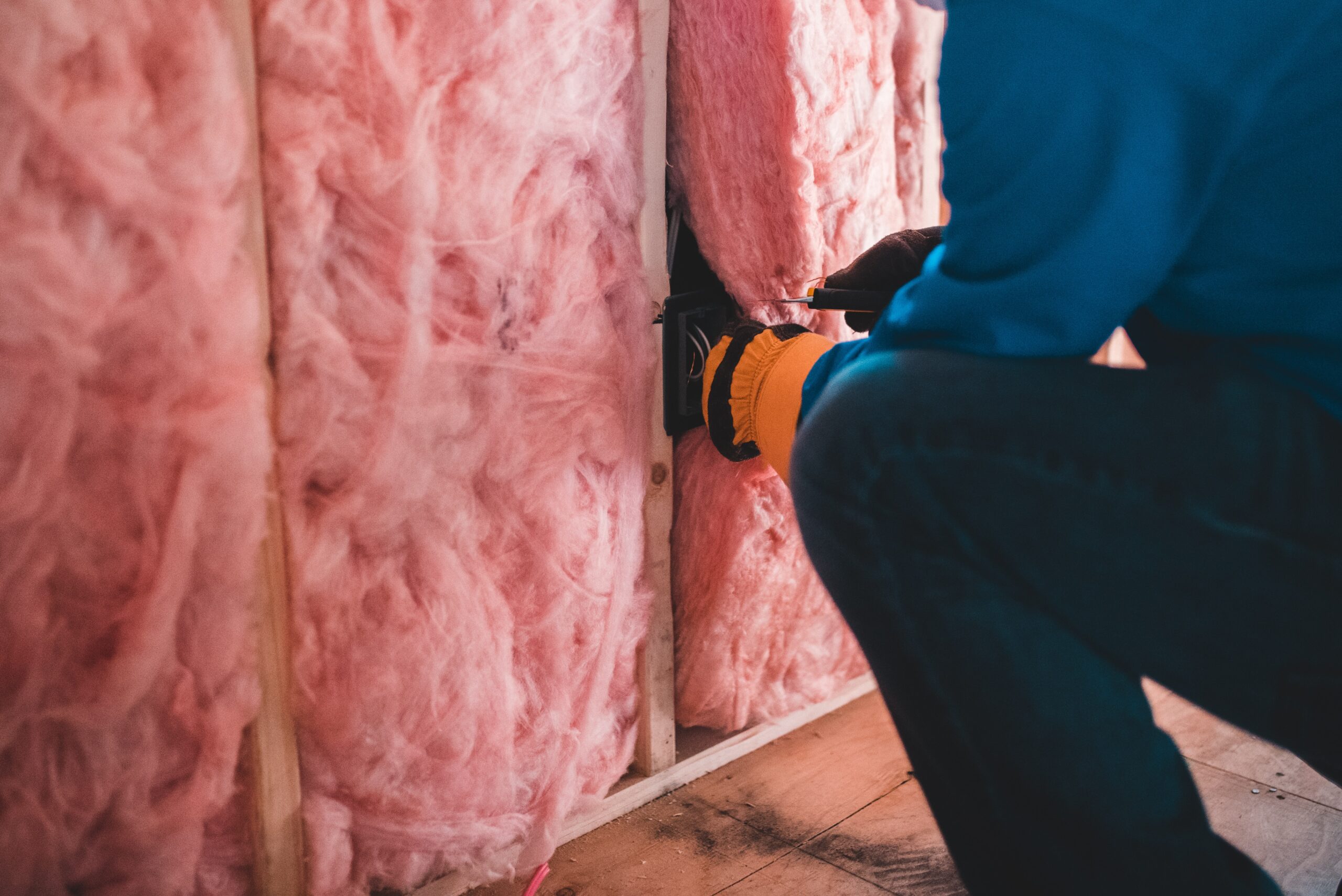
Photo by Dan LeFebvre on Unsplash

In addition, simply walking the building and grounds once a month or more often can reveal problems before they become emergencies. Regular maintenance of all building systems – HVAC, filters, smoke detectors, CO2 detectors, grease traps in parish hall kitchens, gutters and downspouts and moss on roofs, all can help congregations work smarter rather than harder.

There is a large caveat to adopting smart technology as a means of working smarter. If no one pays attention to the devices sending the information, then there is little benefit to the smart technology. Humans must notice the information and initiate a response. There are companies that will gladly perform building management, but they are expensive to employ and manage. What most congregations depend on is a group of people who are willing to get the messages or reports, have some knowledge of who to call to get help, and who are willing to be responsible for periods of time, to be “on-call” as it were.
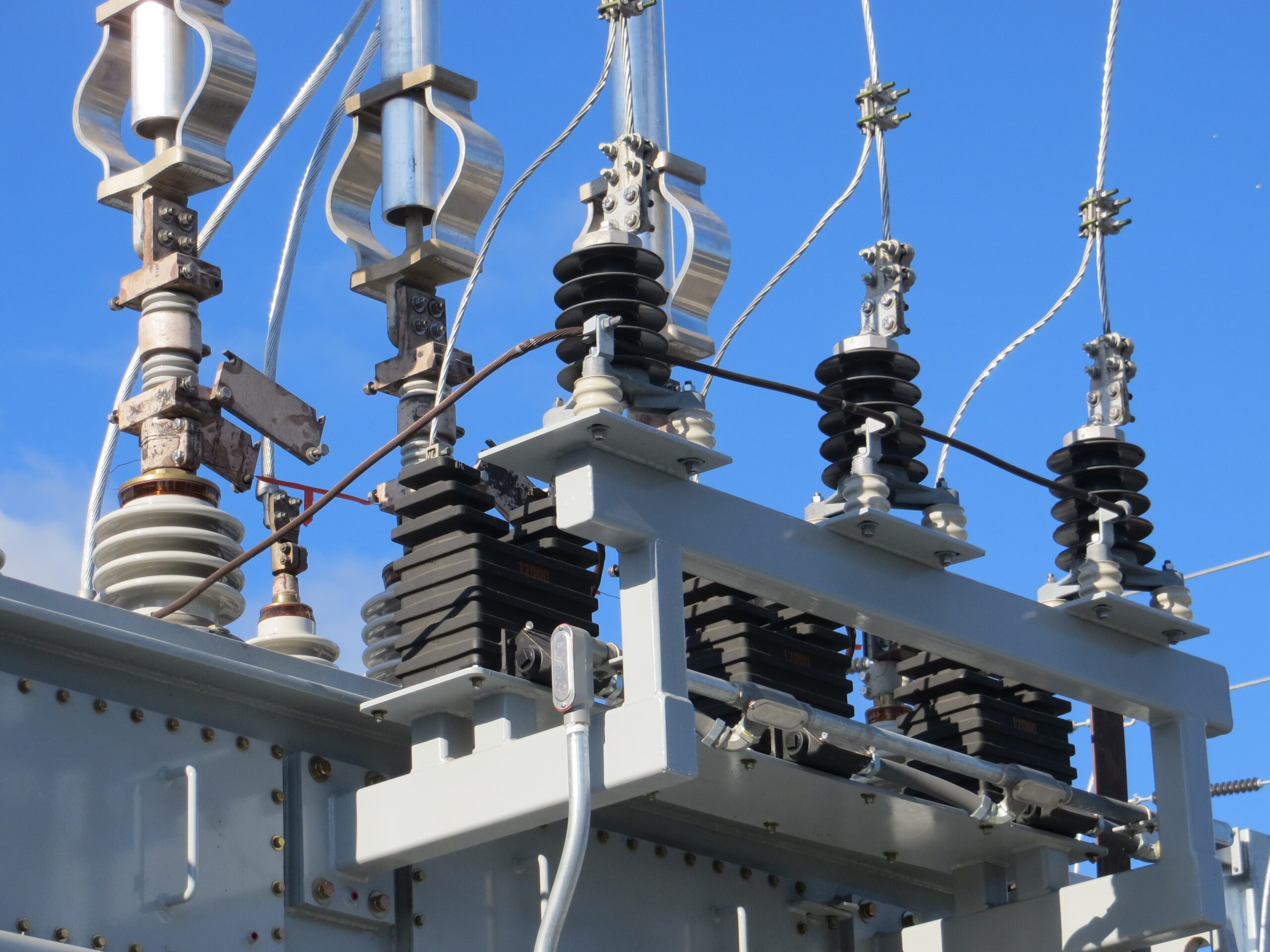
Photo by Moritz Kindler on Unsplash

Every congregation needs to have an emergency call list – HVAC, plumbers, roofers, and the group who has responsibility for the state of the buildings needs to have that list on their own phones as well as in the church office. Every congregation needs to have an emergency checklist that clearly shows how to turn off water and gas, how to shut down electrical systems safely, and the location of sewer traps and internal water valves inside the building.

Most of us are willing to work hard for things, people, and organizations that matter to us. Churches have survived for two thousand years because people of faith did work hard for the congregations they love. When we have fewer hands to do the work, then we truly do need to “work smarter, not harder.” Unlike McScrooge Duck, few of us have swimming pools filled with money. We must make do with smaller budgets and more modest ideas. But we can take advantage of the smart technology available these days to be both a wise and smart church. Carl Barks would be pleased, I think.

Dennis+


The title of this occasional paper reveals the bias of the author. I dislike irrigation systems in general. While I acknowledge that watering plants during the dry summer we experience around here is important for healthy plants, the value of those weeks of needed watering is outweighed by the annoyance factor of irrigation systems that fail only when the weather is hot and dry. They seem to work fine in the rainy season when they are not necessary. Even more perverse is the pattern of irrigation systems that leak or fail to turn off or run too long such that a congregation is faced with enormous water bills. As water itself grows more expensive, and climate changes demand we use less water, the value and purpose of irrigation systems should be reviewed and modified where possible.

Most irrigation systems are a combination of electrical and mechanical parts. When they work properly, such systems can provide the optimal amount of water to an area without wasting water or over or underwatering. The key here is working properly. Many irrigation systems started out working properly but lack of maintenance over time turned them into waste systems sending congregational dollars down the drain. One might think that such systems are “set and forget” but that is a misnomer. No system operates properly without maintenance. And irrigation systems are prone to all sorts of problems.

Photo by Aaron Burden on Unsplash

For example, irrigation heads can be clogged by small particles that either prevent that sprinkler head from operating, thus starving that area of water or, perversely, the tiny particle forces the head to stay open and water runs continuously. Over time, buried pipes can become compressed or broken. Here again, the problem is either too much water or too little water. Plants that are watered do grow and can, over time, block sprinkler heads from reaching some parts of the garden or grounds. Tree roots can disrupt sprinkler systems.

Because we have many days of some rain, most irrigation systems work only during the summer. Failure to “winterize” the irrigation system can lead to leaks and broken valves caused by water freezing and then thawing inside the system. Systems that are not used regularly are harder to maintain because problems can develop but not be noticed until the system is needed. Annual spring maintenance can identify those over-winter problems and avoid wasting copious amounts of water.

Photo by Ed Leszczynskl on Unsplash

Many congregations have old irrigation systems designed for times when water was plentiful and cheap to use. The systems are wasteful of water by contemporary standards. Few congregations worry about water usage until faced with a huge bill. And in many cities, the sewage bill is tied to the water bill such that both bills can increase rapidly if there is a leak in any water system.
It may be that the irrigation system is not truly needed. With mature plantings that are appropriate for this region and climate, many grounds can be maintained with no irrigation system at all. If a congregation does need some irrigation for certain areas, then smaller systems that feature drip systems rather than spray systems can accomplish the same goals with much less water used. Some modern systems are now self-monitoring and will only activate when the soil is dry. Also, modern systems can be tied to a smartphone or computer such that valve problems or other error messages will be sent automatically, thus preventing days of un-needed watering.

While not always feasible, manual systems of watering can save money, but these require a committed person or persons to show up to turn the system on and off as needed.

Photo by Phil Goodwin on Unsplash

Irrigation systems are like balky children. They can be fussy and can melt down, often when it is most inconvenient. but they can also be wonderful. What matters is that congregations determine what sort of irrigation system they need now, choosing a system that is environmentally friendly, decide how they plan to maintain that system, and to always remember that irrigation systems are not “set and forget;” these systems are “trust but verify.”

The verb “insulate” is derived from the late Latin word, “insulatus” which means to be an island. It denotes being separate from something, with having a space between two things. It can also mean having material that prevents forces or energies from moving from one place to another. Some materials, like Polar Fleece, prevent cold from getting close to our bodies. In scientific terms, to insulate is to protect something from other forces. We are insulated from electric shocks by insulators.

These materials or spaces work because some materials or elements do not conduct energy well. Air itself is a reasonable insulator. Other materials have been discovered to be poor conductors of energy and have become popular means of limiting the transfer of energy from one place to another. By using these scientific principles wisely, we can reduce the amount of energy we expend to heat or cool our buildings. By doing that, we can reduce our carbon footprint, reduce our energy bills, and still maintain comfort for those who use our buildings.

Photo by Erik Mclean on Unsplash

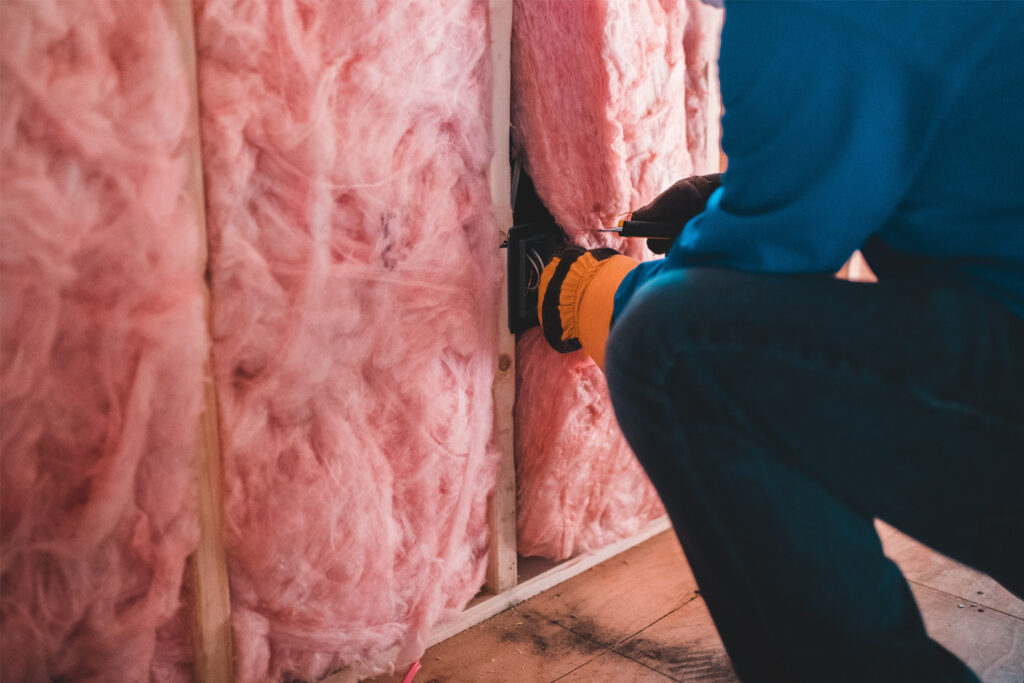
Insulation is typically talked about in terms of “R” values. The “R” stands for resistance. The resistance is to increases or decreases in temperature inside the building or space relative to the temperature outside. The larger the value of the “R,” the longer it will take to equalize the temperature between the inside and the outside. So, insulation of R-30 will keep the inside temperature ten times longer than R-20 insulation. Most building codes now dictate certain minimums for insulation in buildings. But older buildings seldom meet current codes for insulation because they were built when energy was cheap, and people were less concerned about creation care.

The cost differential is significant. Proper levels of insulation can cut energy bills in half. Because heat rises, ceiling insulation is critical in cold weather climates. Windows also lose heat, especially if there are gaps in the window frames or if there is poor caulking around the panes. Over time, buildings can settle, and cracks can occur that will, if unaddressed, leak heat to the outside. Basements can also be areas of significant heat loss.

The true value of insulation as a means of caring for the environment while saving money is that insulation is a passive energy savings concept. Insulation has no moving parts. It requires no additional energy to perform its tasks. Once installed and paid for, it simply and quietly saves money all the time. It is silent and unobtrusive.

Photo by American Public Power Association on Unsplash

Many local energy companies will do an “energy audit.” It will provide a congregation with clear information about the level of existing insulation in the buildings. An audit can check to see where energy is being lost in the building and often can identify leaks not visible to the eye. The principal heating/cooling system can be evaluated and balanced to provide the proper combination of outside fresh air and recycled heated air. Given the challenges of COVID-19, some of the standard percentages of fresh sir and recycled warm air may need to be adjusted. A building that is tight always needs some fresh air but a building that is loose wastes much energy.

Single pane windows lose more energy than double-pane or insulated windows. This is a particular challenge for churches with stained-glass windows. Care should be taken not to create an insulated space between the stained-glass window and the outside as thermal heating and cooling in that insulated space will weaken the stained-glass over time. It is better to save energy elsewhere in the building. Windows can be replaced over the space of months or years, one at a time, if necessary. Skylights also present problems as they are prone to water leakage but also can be areas of energy loss.

Photo by Steve Sharp on Unsplash

Additionally, insulating outside faucets or exposed water lines can save a great deal of money and prevent damage. Insulating all hot water lines also saves energy and decreases the amount of water used while waiting for the hot water to arrive.
Finally, insulation in internal walls reduces sound pollution and increases privacy for those inside the building.

Engaging in an energy audit, doing a regular building “walk-through,” and knowing what the current insulation levels of church buildings are all common ways that all churches can care for creation and save money at the same time. It is stewardship in its best sense.

Humans have painted things from the time when they first created things. Humans have painted themselves before they created things. To paint is to adorn and beautify but also to protect and preserve. It is deeply embedded in our human consciousness. Cave paintings date back thousands of years. The earliest known sculptures were painted. The interiors of ancient temples and churches were painted. The exteriors of stone buildings were painted.

Paint has the properties of protection and beautification. A thin layer of material, when dissolved in an agent that will evaporate, can protect large surface areas from the effects of weather and, at the same time, enhance the beauty of that surface. Paint, when artfully applied, can fool the eye into thinking a two-dimensional surface has three dimensions. Paint can extend the useful life of all materials. Paint also communicates emotions. We use certain colors to denote certain ideas or emotions. That varies from the culture to culture, but the notion that we associate ideas and emotions with color is universal.

Photo by RhondaK Native Florida Folk Artist on Unsplash

Some church buildings are not painted on the outside but painted on the inside. Some churches are painted inside and outside. All church buildings need some sort of protective layer to preserve the buildings.

Thus, all churches should determine what areas of their buildings are to be painted and when they should be re-painted. As a part of that determination, certain surface materials require different paints. Moreover, the local environment will dictate how frequently a building will need to be painted. Churches in environments with sea air, churches in locations where high winds occur, churches that experience heavy tree debris, leaves and pine needles, may require more frequent painting. All churches should develop a long-term maintenance plan that includes a painting schedule for both exteriors and interiors of all church buildings.

In the wet environment of the Pacific Northwest, moisture is an ever-present danger to paint. Care must be taken to prevent water from intruding behind walls to prevent the paint from lifting and bubbling. Moist salt air is particularly hard on paint when coupled with changes in temperature over time. Moisture inside interior walls can also create mold and mildew.

When churches paint, they must spend more time on preparation than painting. The key to a worthwhile painting job is to carefully prepare the surface before applying any paint. Old paint must be removed, the underlying surface made ready for the new paint, any holes or weak spots removed or filled, and any dry rot or weak sections replaced, before the paint can should be opened and the brushes filled.

Photo by Sven Brandsma on Unsplash

Most exterior and interior paints today are water-based. That makes them easier to use but also makes them more vulnerable to the elements. In some old churches, there may be lead-based paints, particularly in trim and moldings. These paints are hazardous and must be carefully removed by professionals.

Painting metal surfaces requires special preparation and may require special paint. When working with such surfaces, confer with a painting professional to determine what paints will work best.

Changing paint on a surface also requires additional preparation. If the surface has been stained or painted with oil-based paints, moving to water-based paints may require additional preparation. Changing paint tones, moving from dark to light colors may also require more than one coat of paint to provide complete coverage.
Paint can be applied with a brush or roller or spray equipment. Each modality has advantages and disadvantages. Broad coverage is easiest with spray equipment. Detailed work generally requires brushes. Be sure to discuss these expectations with any vendor before signing a contract.

Photo by Roselyn Tirado on Unsplash

How often to paint depends on local circumstances. Exterior paint can last twenty years, depending on the quality of the application of paint and the quality of the paint used. In many cases, the paint will begin to fade, or chalk, or blister or lift well before the twenty-year mark. Churches should engage in an annual inspection of all painted surfaces to determine when the next painting cycle will be needed.

Paint is a critical element in the preservation of buildings. As importantly, maintaining a quality paint job demonstrates care and good stewardship of our possessions. Having an attractive, well-maintained building is a sign of an attractive and well-maintained congregation.

The “Eye of Providence” is a symbol that appears on the Great Seal of the United States. It is meant to depict the benevolent Eye of God watching over the affairs of the United States. It is an ancient symbol known in many cultures. But there is now in the world a very real “eye of providence” and its intent toward human beings is less benevolent. As of 2022, there are 6.7 billion smartphones in the world. 83.7% of the humans in the world possess a smartphone. And each smartphone can take photographs and videos and, if connected to the Internet, beam those images around the globe in nanoseconds. We see this with teenagers posting embarrassing photos of friends and enemies. We see this with Ukrainian grandmothers reporting the location of Russian troops. We see this with concerned citizens posting images of events as they occur to influence the outcomes.

Photo by Philipp Katzenberger on Unsplash

We can add to this array of image-taking devices and include the millions of small cameras that are mounted in many locations around the world. Cities use these cameras to monitor traffic or control areas of crime or watch for illegal entry or activities. Additionally, there are a plethora of devices that can track the location of an individual without the person being aware they are tracked. Smartphones do this all the time, but some devices are tiny disks easily secreted on a person or attached to an auto.

And, of course, many other computers have recording capacities and transmitting capacities in them. All our internet connections work both ways – we can connect to others and others can connect or eavesdrop or monitor us. It can all be very disconcerting. What is a church community to do?

Cyber security is a relatively new term that has spawned a multi-billion-dollar industry to assist organizations and individuals in keeping some boundaries in this brave new world of inter-connectedness. There are many people selling their services and aiding beleaguered organizations. There are many providers of software designed to protect our computers, tablets, smartphones, and other electronic devices. As our churches have pivoted toward more on-line activities due to the pandemic, we have become more engaged in the virtual world but also more vulnerable to the excesses of that world. One of the challenges is sorting out the probable threats from the more unlikely ones and spending one’s limited funds wisely.

Photo by Markus Spiske on Unsplash

  1. Who has access to church computers and their files? Are these devices password protected? Are financial records properly protected? Is all the software installed on church computers approved by the church? When employees leave, is access to church computers ended promptly? Are there any church records held on privately owned computers? Do any church employees use their own computers for church work? If so, what are the limits and how is church information safeguarded?
  2. How are vital records of the church kept? If electronic records are used, who backs up those records and how often does that happen? If they are paper records, are the critical records kept in fire safety cabinets or copies made for off-site storage?
  3. If the church has security cameras, who has access to those records? Are the cameras periodically reviewed? Are these cameras protected against unauthorized use?
  4. Are there any other electronic devices installed in your buildings and are they secured against improper or illegal use?
  5. Has anyone checked bathrooms or locker rooms or other places where we presume privacy to ensure that there are no cameras or other recording devices placed there? A simple check is to go inside the bathroom or locker room, turn off all the lights, and look for evidence of an LED light glowing. There are inexpensive devices that check for transmitting devices available on-line.
  6. As part of the Safeguarding of God’s people policies, are there clear policies on the filming or photographing of church members, especially children or youth by leaders or participants?
  7. Are there clear policies on the use of smartphones and other electronic devices with recording capacity for Sunday School, youth group activities, and general congregational gatherings?
  8. A weekly walk-through of the building can do much to prevent unauthorized devices showing up as well as ensure that security cameras and other preventative devices are still working properly.
  9. Annual review of records kept and a known filing system – whether paper or electronic – understood by all employees can do much to keep the actual memory of a congregation alive and accurate.
  10. Ron Miller, member of the Board of Directors, is highly knowledgeable about these sorts of issues. If you would like to connect with him, please contact me in my role as Property Manager, dtierney@ecww.org and I will speak with him about your concerns and interests.

Revelation 21:21 – “The twelve gates were twelve pearls, each gate being made from a single pearl.”

Matthew 16:19 – “I will give you the keys of the Kingdom of Heaven; whatever you bind on earth will be found in heaven, and whatever you loose on earth will be loosed in heaven.”

Photo by Nerene Grobler on Unsplash

These two biblical quotes raise the odd notion that heaven is a gated community. Apparently, there are gates to heaven, whether to keep people in or out is uncertain. As a side note, hell has gates as well. But it is generally understood that those gates keep souls from escaping hell. Moreover, these heavenly gates appear to have locks on them which require keys to open them. Historically, the church has taught that Saint Peter holds these keys, based on the Gospel of Matthew’s claim that Jesus gave Peter the keys to the Kingdom. Those keys can be seen in the papal insignia which has, since medieval times, shown the keys along with the three-tiered papal tiara because the Pope is the Bishop of Rome and Peter is believed to be the first Bishop of Rome (and likely is buried beneath the great basilica named for Peter).

It seems ironic to envision heaven as a place with locks and gates. It seems also ironic that the Episcopal Church has, for over fifty years, championed itself with the ubiquitous sign, “The Episcopal Church Welcomes You” yet most churches are locked most of time. What we accept, sometimes uncomfortably, is that we must balance radical welcome with legal liability and security. And that balance is often in tension. We say we want to practice radical hospitality and claim to welcome the stranger or visitor but, at the same time, we have serious protocols about locks and gates and keys and codes and spotlights and passwords – all to protect our buildings and ourselves. We think we own our possessions, but often they own us. It is a dilemma.

This occasional paper is about managing the security we need while practicing the radical welcome we espouse. It seeks to provide information to congregations about what options are available to them for being sensible, for acknowledging the need for safety of parishioners, employees, and guests, and being an open and welcoming community. As always, these lists are not exhaustive, merely illustrative of issues congregations must consider.

Photo by Samantha Lam on Unsplash

  1. All congregations should discuss what level of risk they are willing to take to balance the need for open-ness and welcome and the need for stewardship and security of people and things. That, in turn, will determine the next steps.
  2. All congregations should review their policies on keys – who gets them, what levels of keys exist, and how to track where those keys are. Congregations who do not know how many keys are in circulation should re-key all buildings and then re-issue keys only to those who truly need them. Each issued key should be noted in a permanent record. Keys should be “leveled” with only a few master keys permitted. All other keys should be limited in terms what access the key permits. These levels should also include passwords, codes, or any other devices used to control access to parts of any buildings. Locking spaces for purses and other personal items brought in by volunteers must be provided.
  3. All congregations should conduct a safety assessment of the buildings and grounds by walking the property to see where doors and windows can be shielded from view and, therefore, become more vulnerable to break-ins. Close-in shrubbery should be trimmed. Motion sensitive lights and/ or video cameras should be used to reduce attempts to force entry. Paths to and from parking areas should be lit as well as the parking lots themselves.
  4. Highly sensitive areas of the building should be separately locked or have additional security to protect funds or expensive equipment or sacred vessels. Important documents should be in locked cabinets that are also heat-shielded. Computer passwords and computer firewalls should be in place and reviewed to prevent unauthorized use of church computers.
  5. Congregations with pre-schools or schools should review security protocols for classroom areas, bathroom access, drop-off and pick-up policies, supervised play areas on church property, and related safety issues when serving other people’s children.
  6. Congregations should review their grounds for “attractive nuisances” that may need additional security or fencing or removal of the “nuisance.”
  7. Use agreements should be clear about building security, obtaining and returning keys, use of equipment, security and cleaning deposits, and the use of alcohol on church property.
  8. Congregations with concerns about levels of insurance coverage or general security concerns should speak with Alan Johnson, the area representative for Church Insurance Corporation. He can be reached at aljohnson@cpg.org.
  9. Congregations with concerns about fire safety issues should contact the Fire Marshal at your local fire department to request a building and grounds review.
  10. Congregations should have and maintain adequate fire alarms, smoke detectors, CO2 detectors, water intrusion alarms, and other devices that will announce problems. Modern devices are now connected to the Internet so alarms can be sent to smartphones if desired. Someone still needs to do something about the information sent but having the information sent to a smartphone can expedite a response and save money, buildings, and even lives.
  11. While stewardship means keeping the campsite better than it was when we found it, we also acknowledge that it is only stuff, and all stuff can be replaced. Humans matter far more than stuff. Protecting all humans is much more important. It is not good to protect our stuff by endangering our people. There are no hearses with trailer hitches.
  12. It is entirely possible to welcome the stranger warmly while keeping an eye on the silverware.

From the Rev. Dr. Dennis S. Tierney, Property Manager

“Suddenly there was an earthquake, so violent that the foundations of the prison were shaken; and immediately all the doors were open and everyone’s chains were unfastened.” (Acts 16:26)

Earthquakes were well known in the Bible because they were known in the Middle East as that part of the world lies at the joining of three tectonic plates. But, in the Bible, earthquakes were understood to be divine acts of theological significance. Earthquakes free Paul from prison; an earthquake occurs at the death of Jesus, tearing the curtain at the Holy of Holies and causing graves to open, and an earthquake announces the opening of the sixth seal in the Book of Revelation.

Photo by Sarah Crego on Unsplash

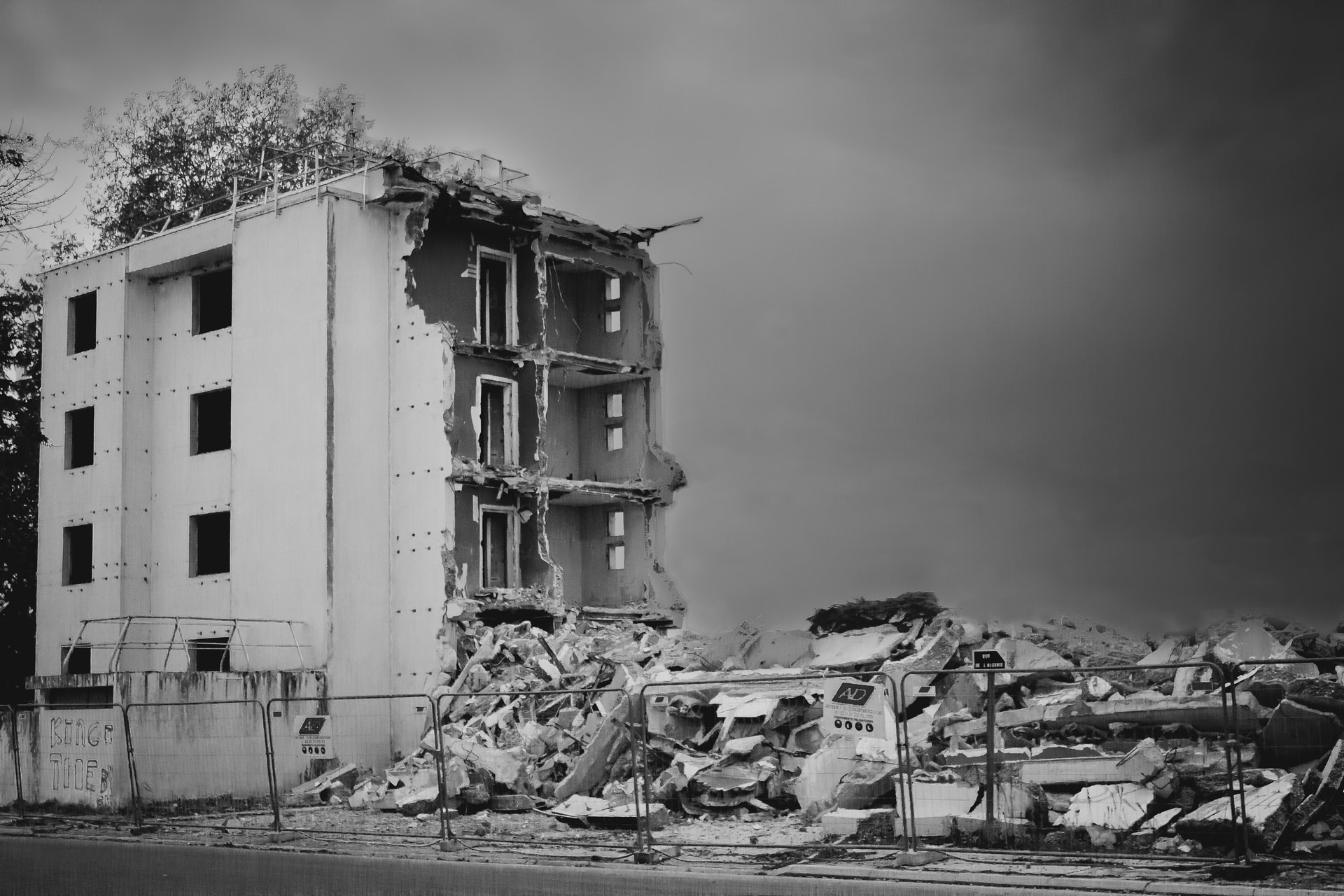
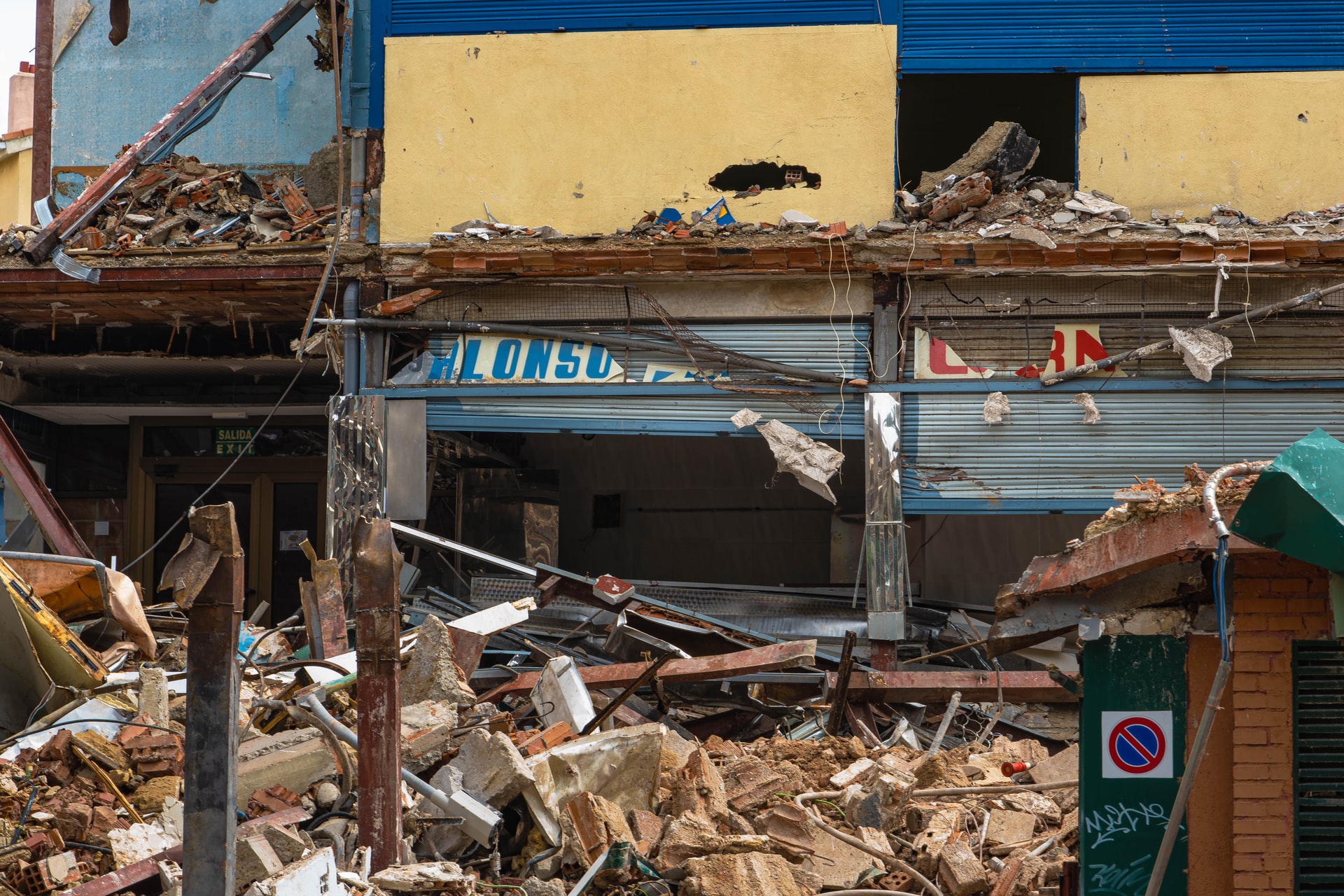
For most of us, who live near the Cascadia Fault, earthquakes are purely geological matters that will cause damage and suffering. While we might be tempted to point to our sins as reasons for earthquakes, few of us believe that earthquake preparation involves the sacrifice of animals or other forms of propitiation. We know we need to be ready for the next earthquake; we know it will be a case of when rather than if. We might hope that, like Paul, we will be made free of our prisons by virtue of the “Big One,” but the more appropriate response is to make ourselves and our buildings as ready as we can be for such an event.

Photo by Jose Antonio Gallego Vázquez on Unsplash

What can congregations do to be ready?

  1. Engage in a review of your buildings to see what low or moderate cost things you can do to prepare for an earthquake. Tie-down your water heaters or strap them firmly to a load-bearing wall. Put restraints on all bookcases to prevent them from toppling over onto people and things. Put closers on cabinet doors to prevent them from flying open. Put restraints on large wall hangings or paintings to prevent their movement. Purchase an earthquake valve on your gas meter so that the gas line closes in the event of significant earth movement. Do the same with the main water line into your building. Know where your electrical power mains are located and know how to turn them off. If you have an above ground oil tank, secure it to prevent it from falling over and spilling fuel. Have a plan for evacuating the building and make sure multiple members are familiar with that plan. Have a plan for someone to safely check the church building following an earthquake. Ideally, that person could get to the church site without using an automobile as roads may be impassable.
  2. Review whether your building is firmly attached to its foundation. Some old buildings simply rest on their foundations and can slide off in an earthquake. Attaching your building to its foundation can cost money but will often save a building from greater damage by keeping it on its foundation.
  3. Engage a specialist to help you understand how your building will react to an earthquake. Wood frame buildings often do well in earthquakes because they flex and bend. Inserting a “cripple wall” reinforcement on selected walls can be a cost-effective way to strengthen your building without rebuilding it.
  4. If you have an unreinforced masonry building, you will have a more complex issue to address. These buildings often fail completely because the load-bearing walls collapse outward and the roof drops, smashing the building. It may require steel girders installed to keep the roof in place even as the masonry walls fail. This will be an expensive fix but will save lives.
  5. The diocese is working with Church Insurance Corporation to develop a diocesan plan for earthquake insurance. That insurance is expensive and does not cover your entire building. Before you buy, read, mark, and understand completely the coverage being offered. It may well be cheaper to put money into a maintenance investment account and let it build up over time. Even if you elect to purchase earthquake insurance, building an investment maintenance account will help cover the deductible costs or those things not covered by earthquake insurance.
  6. Help your congregation by providing information on home “go bags” and home kits for emergency water and food supplies. “Go bags” should include medications, spare glasses, hearing aids with batteries, some cash, gloves, flashlights, water bottles that can be refilled, spare shoes, and a change of warm clothes. Any major earthquake will make our current supply chain challenges look tiny in comparison. Church buildings can be used to store supplies for distribution in case of an earthquake. All our homes should have some supplies to help manage for days if not weeks without outside assistance. One key is potable water as humans can only go days without drinking water. Second is stable food supplies – food that does not require refrigeration. Third are first aid kits, batteries, and warm clothing. All these supplies need to be checked and replaced over time. An annual review of them will be essential.
  7. Develop an emergency contact “tree” to help members of your congregation who are elderly or live alone or have special needs. This can be important in other situations – floods, fires, or major storms. All the recommendations in item one apply to homes and offices as well as churches.
  8. Pick one Sunday a year to focus on earthquake preparedness. Invite speakers to join you – virtually or in person – to review best practices for families and individuals following an earthquake.
  9. Develop a plan for families to contact each other or to check in with other family members after an earthquake. Phone land lines may or may not work. Cellular phones may or may not work. It may be helpful to designate a family member who does not live in the area to be the contact person as cell phones sometimes work with long distance calls as opposed to local calls.
  10. Check your plans once a year and update them as needed. Our part of the world has its faults, so being prepared is the best insurance of all.

From the Rev. Dr. Dennis S. Tierney, Property Manager

“Breathe on me, Breath of God,
Fill me with life anew,
That I may love what Thou dost love,
And do what Thou wouldst do.”
(Edwin Hatch, 1878)

In July 2020, the diocese prepared and distributed a document about safe practices for churches to follow about air quality in a time of COVID-19. This document updates that information. It is based on a webinar on Indoor Air Quality that was held on July 26, 2021, sponsored by Sheet Metal Workers Union and the National Energy Management Institute and subsequent research.

Air quality matters always, but especially indoors. Adequate ventilation requires mixing new outside air with existing indoor air to provide sufficient oxygen to maintain health and attention on the part of the people gathered. Inadequate ventilation can reduce attention levels and even endanger health over time. Most indoor spaces require enough air circulation to keep CO2 levels below 1000 parts per million. Air circulation is obtained either by opening windows or by introducing outside air through the HVAC system.

Photo by Sigmund on Unsplash

All churches, regardless of the type of HVAC system, can monitor the levels of CO2 by purchasing CO2 monitors. They can be mounted inside the gathering space and will give the ambient levels of CO2. Such monitors are available on-line and cost about $100. One monitor could be used to establish baseline data for several gathering spaces on a church campus.

If a church has a forced air circulation system, the amount of outside air can be increased by adjusting the system. This does increase heating costs, so the amount of outside air admitted to the system needs to be balanced against heating and cooling costs.

Churches with forced air systems should review their filter systems. Air filters come with ratings stated as MERV which stands for Minimum Efficiency Reporting Value. The higher the MERV number, the better the filtration. The presenters at this webinar recommended that churches increase the MERV rating to 13 or higher if their system can accept the higher rating filters. Filters with ratings above 13 are generally only found in surgical operating suite HVAC systems and require special fan systems to prevent damage to the system. It should also be noted that all filters, regardless of MERV ratings must be changed regularly to remain effective.

If a church has a non-forced air system, either radiators or radiant heating, then the amount of outside air can be regulated by opening windows as necessary. Should a church without an air circulation system wish to filter its air, it will need to purchase a portable filter – either a HEPA filter or one with a high MERV rating. The challenge to these systems is the amount of air that can be cleaned. Churches should be careful about matching the machine to the size of the space. These machines work better in ordinary rooms than they do in large spaces like sanctuaries.

Adding a HEPA (High Efficiency Particulate Air) filter machine can improve air quality by removing particulates as small as 0.1 microns. These machines vary in size and noise level but there are machines that can clear a large room (1,600 square feet) in 30 minutes. Some are portable so that one device could be used for multiple purposes. HEPA filters must be changed regularly to maintain the efficacy of the machine.

The current medical data on the size of COVID particles is complex and not completely known. It does appear that some COVID particles are small – less than a micron and, therefore, more prone to remaining in the air than larger particles do. Removing very small particles appears to require a HEPA filter. While no air filtration system is perfect, the percentage of COVID particles in the air can be reduced by good HVAC systems and HEPA filtration devices. A general review of prices for HEPA filter machines suggests a price range under $1,000. One key is selecting a machine large enough to handle a church sanctuary. Measure the dimensions of your worship space to get the number of square feet and then choose your machine accordingly.

Photo by Alex Perz on Unsplash

Finally, churches can obtain professional assessments of indoor air quality by hiring a qualified contractor to perform a site evaluation. These typically cost between $500 and $1,000 depending on the square footage involved or the complexity of the building or buildings involved.

The webinar recommended TABB – Testing, Adjusting, Balancing Bureau, a professional organization of HVAC companies that perform diagnostic tests on air quality. Their website is tabbcertified.org.

In addition to COVID-19 concerns, air quality issues have increased due to climate change. Forest fires appear to be a recurring matter in many communities, and air pollution is also a problem in many communities.

Attending to the air we breathe is a matter for us all. There is only one atmosphere on our planet. Air is no respecter of national or state or community boundaries. We all share one planet; we all share one atmosphere; we all breathe air that is common to us all.

From the Rev. Dr. Dennis S. Tierney, Property Manager

This paper is one of a planned series of occasional papers about property management designed for congregational leaders in the Diocese of Olympia. Each paper will feature an aspect of property management and will be based on actual experiences and events, suitably masked to protect the innocent.

Photo by Sven Brandsma on Unsplash

The title of this paper is taken from Coleridge’s poem, “The Rime of the Ancient Mariner.” This paper is not about the dangers of drinking sea water but rather is about the dangers of water when it goes where it is not wanted. When that happens, buildings are damaged, programs disrupted, and unplanned expenses are incurred. And water damage always seems to occur at the worst possible moment in the life of a church – Christmas Eve, Easter morning, or an hour before a major funeral. Ask me how I know.

Water damage can come from broken pipes, leaks in fittings or faucets, or failed sprinkler systems inside a building. Water damage can also occur when gutters and downspouts fail or are blocked. Water damage can adversely impact carpets, flooring, interior paint, furniture, musical instruments, electrical and computer systems, and church furnishings like robes and vestments. Un-addressed small water damage can create mold and mildew and make a building uninhabitable unless major repairs and renovations are done.

Photo by pixelpeda on Unsplash

What can church leaders do to prevent such expensive problems?

  1. Walk the buildings, inside and out, once a week and check for evidence of leaks of any kind. All toilets should be flushed to check for proper operation and checked to ensure that all the seals and fittings are functioning. Similarly, faucets should be turned on and off to ensure they are operating properly. Outside, irrigation systems should be checked for leaks. In winter, all irrigation systems should be shut off and drained of water. In freezing weather, all outside faucets should be shut off or protected from freezing. You may also want to check inside faucets if they are in areas that are not heated adequately. In very freezing weather, leaving the water to trickle out of a problematic faucet can save you from broken pipes. In enclosed areas, consider leaving a light on during freezing weather to keep pipes from freezing and breaking.
  2. Know where all your water shut-off valves are located and know how they work. There will be a main water valve from the street or well. There may be sectional water cut-offs inside your buildings. There may be shut-off valves on toilets, dishwashers, and other appliances with water connections. Map them and check them to be sure they work. Teach your building and grounds people about them.
  3. Consider purchasing water leak detectors for kitchens and water heaters. They can be slaved to a smart phone so that you can get alerts if there is water where it should not be at any time. Some devices can also shut off water to the affected area when a leak is detected. One could also purchase a water monitor and place it on the main water connection into your building so that any water movement will be noticed. This can be extremely helpful during the pandemic when fewer people are using your building(s). Such devices are available for less than $100 and do not require professional installation.
  4. Water basins can be installed under water heaters or washing machines or dishwashers, especially if these devices are on the second or higher floors. Since water runs to the lowest level, if you have leaks upstairs, the water will run down and flood other areas. Such devices take no power to operate and are silent. They can overflow so having a means of notifying someone of a leak makes good sense as well.
  5. Ensure that all gutters and downspouts are clear and working properly. It rains in the Pacific Northwest and gutters and downspouts are critical to have water stay where it belongs. Cleaning them is necessary at least annually, and, depending on the foliage on your property, cleaning them two or three times a year may be necessary. If your buildings have flat or membrane roofs, making sure that the water moves off the roof is extremely important. Keep water from pooling on your roof; you will be glad you did. And do not forget to move the water away from your building foundation by ensuring that all downspouts direct the water away from the building.